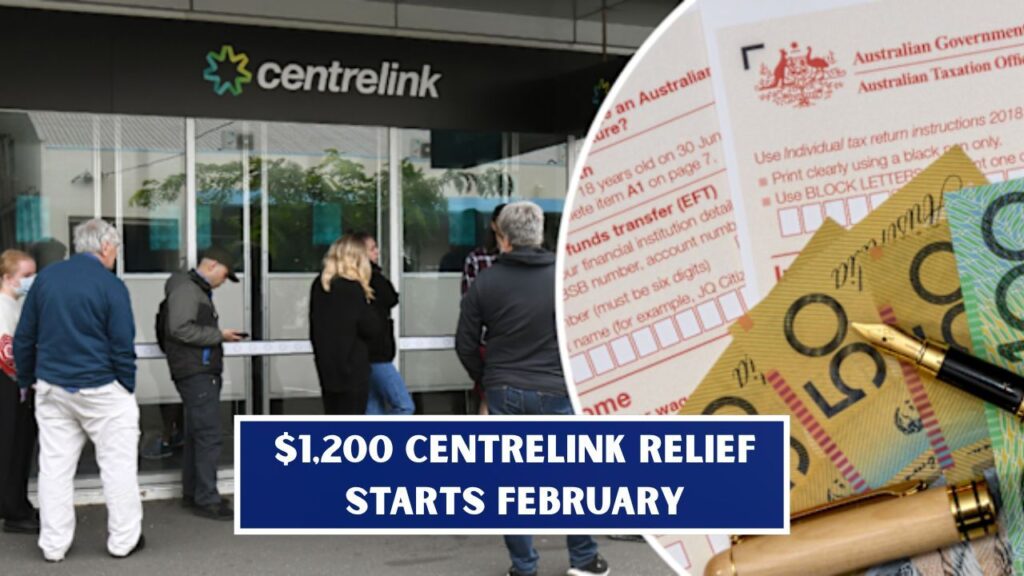
For many Australians, cost-of-living stress is not a headline but a constant calculation. Rent or mortgage payments, groceries, electricity, fuel, insurance, and healthcare all compete for limited income, particularly for households relying on Centrelink support. That is why confirmation of up to $1,200 in additional Centrelink relief starting from 15 February 2026 has attracted widespread attention.
What the $1,200 Centrelink Relief Actually Is
The $1,200 figure refers to the annual value of the increase, not a lump-sum cash payment. From 15 February 2026, eligible Centrelink recipients will receive higher ongoing payments as part of their normal fortnightly schedule.
In practical terms this usually means about $45 to $50 extra every two weeks for people receiving full-rate payments. Those on part-rate payments will see smaller increases but these are also permanent. The rise becomes part of the base rate so it does not expire and will keep applying in future years.
 Goodbye to Retirement at 65: A New Pension Reality for Australians Starting 15 February 2026
Why the Relief Is Being Introduced Now
The February 2026 adjustment follows several years of sustained cost pressures that have disproportionately affected low- and fixed-income households. While Centrelink payments are indexed regularly, many advocacy groups and economists argued that indexation alone was no longer enough to match real-world expenses.
Food prices and electricity bills have gone up sharply along with gas costs and rent payments. Insurance premiums & healthcare expenses have also increased faster than the overall inflation rate for many families. The government says this relief package represents a reset of basic support levels. Officials want to make sure income assistance actually matches what people pay for essential goods and services instead of just making small automatic adjustments each year.
Who Will Benefit From the Increase
The relief covers many different Centrelink payments but the specific amount changes based on each person’s situation.
Groups expected to benefit include:
- Age Pension recipients
- JobSeeker Payment recipients
- Disability Support Pension recipients
- Carer Payment recipients
- Parenting Payment recipients
- Certain Youth Allowance and student payment recipients
Whether someone receives the full $1,200 annually depends on factors such as payment type, whether they are single or partnered, income and assets tests, and eligibility for supplements. People already receiving Centrelink before February 2026 do not need to apply.
Key Takeaways
- The $1,200 figure represents annual ongoing support, not a lump sum
- Higher Centrelink payments begin from 15 February 2026
- Increases are built into base rates and continue long term
- Most recipients receive around $45–$50 extra per fortnight
- No application is required if you are already receiving Centrelink
When the Money Will Appear
The relief begins from 15 February 2026. The first payment on or after that date should reflect the higher rate. There are no back payments for earlier periods, and normal payment schedules continue.
If a recipient’s regular payment date falls shortly after 15 February, the increase should appear immediately, subject to usual bank processing times.
What the Relief Does Not Include
# Understanding the Recent Changes
There has been a lot of confusion online about these changes. Let me explain what is NOT happening here. This change does not include a one-time cash payment of $1200. Your existing supplements are not being replaced or taken away. You do not need to fill out new eligibility forms. Your other Centrelink payments are not being reduced or cut. The key thing to understand is that this relief is permanent. It is built into the system as an ongoing benefit rather than a temporary measure that will end after a certain period. These adjustments represent a structural change to how the system works. They will continue into the future rather than providing short-term assistance that disappears after a few months.
Interaction With Indexation
Centrelink Payment Increases and the February 2026 Relief
Centrelink payments typically get adjusted twice each year in March & September. These adjustments are called indexation and they help payments keep up with rising costs of living. The February 2026 relief payment works differently from regular indexation. When this relief payment is added to your Centrelink payment it does not just provide a temporary boost. Instead it becomes part of your permanent base rate. This distinction matters because of how future increases are calculated. When the next indexation period arrives the percentage increase will be applied to the new higher amount that includes the February 2026 relief. This means your payment will continue to grow from a higher starting point. Without this permanent increase the relief would only provide short-term help. The benefit would gradually lose value over time as regular indexation increases were calculated from the old lower base rate. By making the relief part of the base rate the government ensures that recipients maintain the full value of this increase into the future. This approach creates a lasting improvement to payment levels rather than a one-time boost that gets eroded by inflation over subsequent years.
Will Income or Assets Tests Change
The relief does not change income test thresholds or assets test thresholds or deeming rates. Part-rate recipients may see smaller increases in proportion to their payments but for most people there is no negative impact on eligibility or existing payments.
What Recipients Should Do Now
Most recipients do not need to do anything. However it makes sense to check that personal details are current and to look over the first February payment with care. Recipients should keep reporting any changes to income or assets as they normally would. People should only contact Centrelink if the payment amounts look wrong.