Australia’s road rules are undergoing significant changes in 2026, aimed at improving road safety, traffic flow, and overall driving standards. These new regulations will impact both drivers and pedestrians, enforcing stricter rules on behavior behind the wheel. Whether you’re a seasoned driver or a new one, it’s crucial to stay informed about these updates. In this article, we’ll break down the major changes drivers must know to avoid fines and stay compliant with the updated road laws in Australia.
New Speed Limits Across Australia
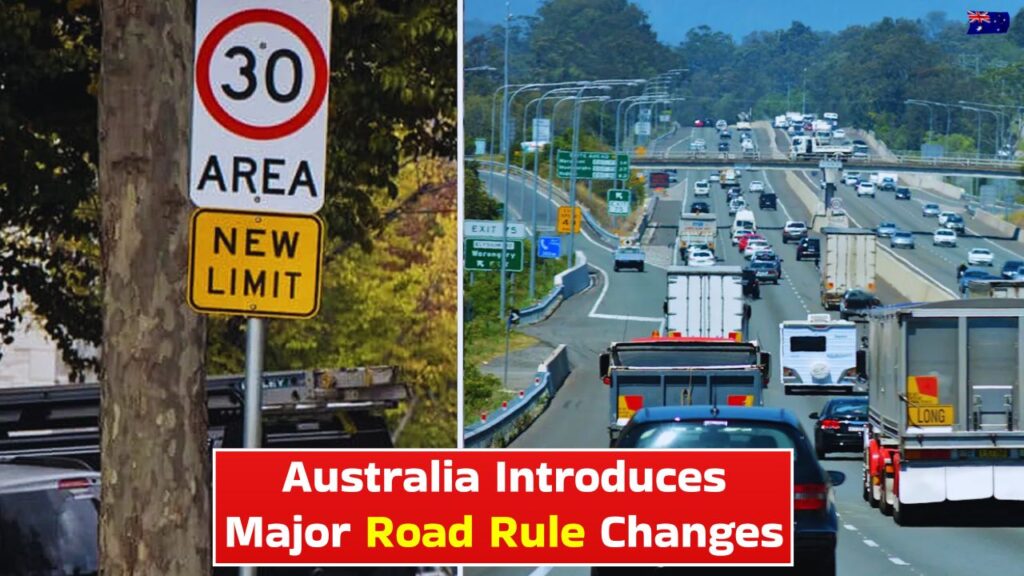
In 2026 Australia will implement a nationwide update to speed limits and some states will introduce stricter measures. Speed limit reductions will be enforced in residential areas to improve pedestrian safety & reduce accidents. In urban zones the speed limit will decrease to 40 km/h from the previous 50 km/h. This change will particularly affect school zones and areas with high foot traffic. Drivers need to familiarize themselves with these new speed regulations to avoid fines and ensure safe driving.
Stricter Drink Driving Laws
New drink driving laws are now in effect, aiming to reduce alcohol-related accidents and fatalities. The blood alcohol concentration (BAC) limit has been lowered to 0.02% in certain regions, particularly for novice drivers and those operating heavy vehicles. This means that drivers will have even less leeway when it comes to alcohol consumption. As a result, even a small amount of alcohol could lead to penalties or suspension of your license. Always plan a safe ride home or use public transport if you’re drinking.

Introduction of Autonomous Vehicle Regulations
Australia has created new rules for self-driving cars as this technology becomes more widespread. The government wants to make sure these vehicles can safely share the roads with regular traffic. Starting in 2026 companies that make autonomous cars will need to meet updated safety requirements. Drivers must still be ready to take over if something goes wrong. Before any self-driving vehicle can operate on public streets it has to pass strict safety evaluations. These new regulations represent an important update to Australian traffic laws and prepare the country for a time when autonomous vehicles will be a normal part of everyday transportation.
Summary or Analysis
The new Australian road rules for 2026 introduce significant changes designed to enhance safety and reduce accidents while adapting to modern technology. Drivers need to understand the lower speed limits & tougher drink driving penalties that are now in effect. The regulations also cover autonomous vehicles for the first time. Following these updated rules will help create safer roads for all Australians.
| Change | Details |
|---|---|
| Speed Limits | Reduced to 40 km/h in residential areas and school zones |
| Drink Driving Laws | New BAC limit of 0.02% for novice and heavy vehicle drivers |
| Autonomous Vehicle Regulations | Strict safety tests and mandatory manual control for emergency situations |
| Penalty Increases | Fines and penalties for violations of new rules will be higher |
Frequently Asked Questions (FAQs)
1. What are the new speed limits in Australia?
The speed limit in residential and school zones has been lowered to 40 kilometers per hour. This change affects all areas where people live & where children attend school. Drivers must now travel at a maximum speed of 40 km/h when passing through these designated zones. The new regulation aims to improve safety for pedestrians and cyclists who use these roads regularly. Children walking to school and families in neighborhoods will benefit from vehicles moving at slower speeds. Motorists should watch for posted signs that indicate when they are entering a residential or school zone. The reduced speed limit applies during all hours unless otherwise specified by additional signage. Authorities expect this measure to decrease the number of accidents and reduce the severity of injuries when collisions do occur. Studies show that lower vehicle speeds give drivers more time to react to unexpected situations and significantly improve survival rates for pedestrians struck by cars. Drivers who exceed the 40 km/h limit in these zones may face fines & penalties. Law enforcement will monitor compliance with the new speed restrictions to ensure community safety.

2. What is the new BAC limit for drivers?
The new BAC limit is 0.02% for novice and heavy vehicle drivers in certain regions.
3. Are autonomous vehicles allowed in Australia?
# Autonomous Vehicles and Safety Requirements
Yes, autonomous vehicles are permitted on roads in many places. However, they need to pass strict safety tests before they can operate. These vehicles must demonstrate that they can handle various driving conditions & respond appropriately to unexpected situations. Even though these cars can drive themselves, human oversight remains essential. A licensed driver must be present and ready to take control when necessary. This requirement exists because the technology is still developing & cannot handle every possible scenario on its own. The safety standards for autonomous vehicles are comprehensive. They cover everything from sensor accuracy to software reliability. Manufacturers must prove their vehicles can detect pedestrians other cars and obstacles effectively. They also need to show that their systems can make safe decisions in complex traffic situations. Emergency situations present particular challenges for self-driving cars. Weather conditions like heavy rain or snow can interfere with sensors. Construction zones with changing lane patterns can confuse navigation systems. Unexpected events such as accidents or debris on the road require quick human judgment. Regulatory agencies continue to update their requirements as the technology advances. They monitor real-world performance data and adjust standards accordingly. This ongoing process helps ensure that autonomous vehicles become safer over time while still allowing innovation to progress. The balance between automation and human control will likely shift gradually. As the technology proves itself more reliable, the need for constant human readiness may decrease. For now, the combination of advanced systems and human backup provides the safest approach to autonomous driving.
4. How will the new road rules impact fines?
Penalties for violating the new rules will be higher, encouraging greater compliance.