The Australian welfare system is getting a major update with a new Centrelink income assessment rule that starts on 15 February 2026. This change removes the old requirement where welfare recipients had to prove they were looking for work with multiple employers. Centrelink will now use a consolidated income reporting model instead. This new system is designed to work better with modern employment types like casual work and gig economy jobs and part-time positions.
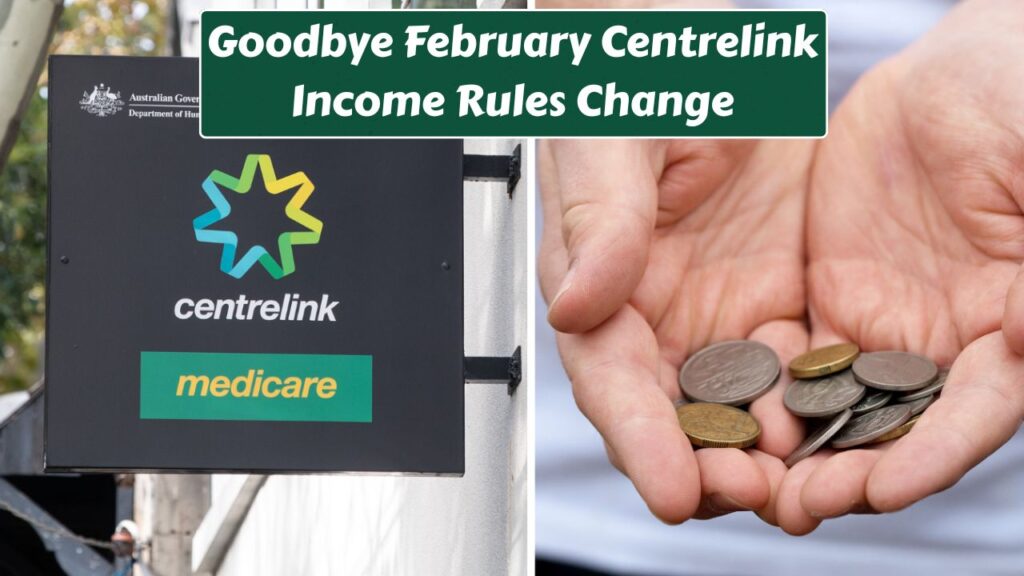
For many Australians, the reform is expected to reduce stress, cut administrative delays, and create a fairer and more efficient welfare system aligned with today’s labour market.
What Is Changing Under the New Centrelink Rule
Under the old system many Centrelink recipients who were getting JobSeeker payments had to complete multiple job activity tests. This meant they needed to prove their job seeking efforts for each employer. The requirement created problems for people who worked irregular hours or had multiple short term jobs. The previous approach made it hard for workers to keep up with all the paperwork. People juggling several part time positions found themselves spending more time on administrative tasks than actually looking for work. The system did not account for the reality of modern employment patterns where many Australians piece together income from various sources. Workers in the gig economy faced particular challenges under these rules. Delivery drivers and casual hospitality staff often had to document their efforts across numerous platforms & venues. This administrative burden took away from time they could have spent improving their employment situation or developing new skills.
 New Australian Traffic Laws 2026: What Lower Speed Limits and AI Policing Mean for Drivers
Starting in February 2026 these requirements will no longer apply. Centrelink will change how it checks eligibility by looking at the total income someone earns during a reporting period. People receiving payments will not have to send in separate job activity reports for every employer they work for. This means Centrelink can update payments faster and with better accuracy.
Why the Change Matters
This reform represents a significant shift in how income support is assessed in Australia. By focusing on income rather than individual job activity, the system becomes simpler and more realistic for today’s workforce.
The streamlined process reduces paperwork, lowers the risk of compliance errors, and helps ensure payments are adjusted correctly. Real-time income reporting also reduces the chance of unexpected overpayments or Centrelink debts.
How the New Income Assessment System Works
From February 2026 onward, Centrelink payments will be calculated based on total reported earnings rather than job activity evidence from multiple employers. This approach is especially beneficial for people with fluctuating income or multiple casual roles.

| Aspect | Before February 2026 | From February 2026 |
|---|---|---|
| Job Tests | Multiple tests per employer | Single streamlined requirement |
| Income Reporting | Manual and frequent updates | Consolidated income reporting |
| Risk of Suspension | High due to compliance errors | Lower with simplified rules |
| Payment Accuracy | Often delayed | Faster and more accurate |
Impact on Centrelink Recipients
The new policy should help people who have been looking for work for a long time as well as those who earn low wages & casual workers who deal with changing income levels. Getting rid of strict compliance requirements means recipients can put more attention toward finding steady jobs & improving their skills.
Gig workers and those in industries such as hospitality, retail, and transport are likely to experience the greatest relief, as the system will no longer penalise irregular work patterns.
Moving Toward a Fairer Welfare System
This reform reflects a broader shift toward a more supportive and realistic welfare framework. By recognising how Australians actually work today, the new Centrelink income assessment rule aims to build trust, reduce stress, and deliver income support more fairly.
Conclusion
# Centrelink Income Assessment Changes Coming in February 2026
The new Centrelink income assessment rules starting in February 2026 represent an important shift toward making Australia’s welfare system easier to understand and more equitable. The government is removing several separate job-seeking requirements & replacing them with a single income reporting process. This change cuts down on excessive paperwork & helps people receiving benefits keep their finances more stable. The previous system required welfare recipients to complete multiple different tests & submit various forms to prove they were looking for work. Each test had its own rules and deadlines. Many people found the process confusing & time-consuming. The new approach simplifies everything by focusing on income reporting instead of tracking numerous separate activities. Under the updated system recipients will report their earnings through one straightforward channel. This makes it easier for people to understand what they need to do and reduces the chance of making mistakes that could affect their payments. The government designed these changes to remove barriers that prevented people from accessing the support they need. The reform also aims to create more fairness across the welfare system. Different payment types previously had different requirements, which sometimes led to unequal treatment. The new consolidated approach applies more consistent standards to everyone. This helps ensure that people in similar situations receive similar treatment regardless of which specific payment they receive. Financial stability is another key benefit of these changes. When the reporting process is simpler, people are less likely to have their payments delayed or suspended due to administrative errors. This means recipients can better plan their budgets and manage their household expenses without unexpected interruptions to their income. The government spent considerable time consulting with welfare advocates and recipients before finalizing these changes. The feedback showed that simplification was one of the most requested improvements to the system. Many people reported that the complexity of the old system created stress & took time away from actually looking for work or managing other responsibilities. Implementation of the new system will happen gradually to ensure a smooth transition. Centrelink will provide information and support to help current recipients understand the changes before they take effect. Staff training is also underway to make sure government workers can properly explain and administer the new rules. These reforms represent a practical approach to modernizing welfare administration. By reducing bureaucracy & focusing on what matters most, the government hopes to create a system that better serves Australians who need temporary support while they work toward financial independence.