In 2026, Australia is introducing new traffic laws aimed at improving road safety and modernizing policing methods. These changes include lower speed limits in urban areas and the use of artificial intelligence (AI) for traffic enforcement. With these updates, the Australian government aims to reduce accidents, promote safer driving behaviors, and enhance law enforcement efficiency. However, drivers need to be aware of how these new laws will impact their daily commutes and driving habits.
Lower Speed Limits: What Drivers Need to Know
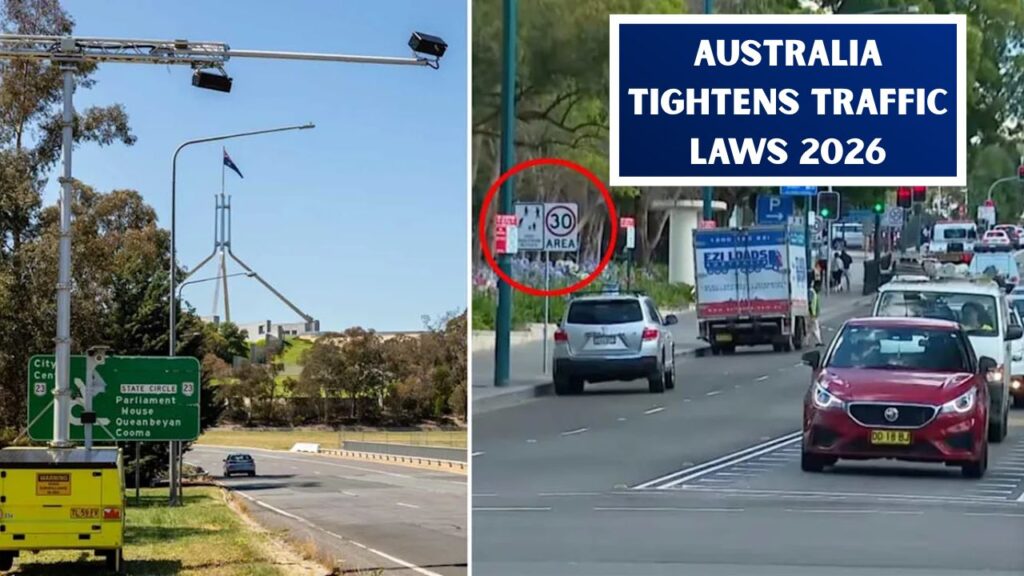
The Australian government is implementing lower speed limits in many urban zones, a significant shift designed to enhance road safety and reduce traffic accidents. The aim is to minimize fatalities in accident-prone areas, particularly near schools and high-traffic intersections. Drivers will find new speed limit signs posted around cities, indicating reductions to as low as 40 km/h in certain areas. While this may initially seem restrictive, these changes reflect the country’s commitment to protecting vulnerable road users like pedestrians and cyclists.
AI Traffic Policing: How Technology Will Change Enforcement
Artificial intelligence is becoming an integral part of traffic law enforcement across Australia. AI-powered speed cameras and surveillance systems will now monitor roads, automatically detecting violations like speeding or illegal parking. The goal is to enhance the efficiency and consistency of law enforcement, reducing human error and increasing penalty accuracy. With AI technology, authorities can quickly process violations, leading to faster fines and enforcement, while ensuring fairer treatment of all drivers.

Impact on Daily Commutes and Driving Habits
The combination of lower speed limits and AI policing will significantly change how Australians travel to work. Drivers will need to adjust to the new speed zones that may increase travel times during peak hours. The continuous monitoring by AI systems means drivers must stay alert to avoid penalties. Some drivers may view these measures as intrusive but they aim to make roads safer by promoting more careful and responsible driving habits.
Summary or Analysis
The introduction of lower speed limits and AI-powered traffic enforcement marks a significant step toward modernizing Australia’s traffic regulations. These measures are focused on improving public safety and reducing road fatalities. While the changes may require some adjustment from drivers, they offer an opportunity to reduce accidents and promote a safer driving culture. The increased use of AI in traffic policing may also set a precedent for other nations looking to incorporate technology in road safety.
| Change | Details |
|---|---|
| Lower Speed Limits | Speed limits reduced to 40 km/h in select urban areas. |
| AI Traffic Policing | AI-powered cameras for speed detection and parking violations. |
| Penalty Enforcement | Fines issued automatically via AI detection. |
| Commute Impact | Potential for longer commute times due to reduced speeds. |
Frequently Asked Questions (FAQs)
1. What is the new speed limit in urban areas?
The new speed limit in urban zones is as low as 40 km/h in select areas.

2. How does AI improve traffic enforcement?
AI improves enforcement by automating speed and parking violation detection, reducing human error.
3. Will AI traffic policing result in more fines?
# AI and Traffic Fines: What to Expect
Artificial intelligence systems will handle traffic violations with greater speed & precision than human officers. This technological shift means drivers should prepare for a higher volume of penalties being issued. The improved efficiency comes from AI’s ability to process vast amounts of data without fatigue or distraction. Automated cameras and sensors can monitor multiple violations simultaneously across entire road networks. Where a single officer might catch a handful of infractions during a shift, AI systems can identify thousands of violations in the same timeframe. Accuracy also improves significantly with machine learning algorithms. These systems reduce human error and eliminate subjective judgment calls that sometimes lead to inconsistent enforcement. Every violation gets evaluated against the same standards regardless of time or location. However this efficiency creates a practical reality for motorists. More violations will be detected & processed into actual fines. Speeding incidents that previously went unnoticed will now trigger penalties. Parking violations in remote areas will no longer escape detection. Rolling stops at empty intersections will generate tickets just as readily as those at busy crossroads. The financial impact on drivers could be substantial. Those who occasionally bend traffic rules may find themselves receiving multiple citations where they previously received none. This consistent enforcement will likely push many drivers toward stricter compliance with traffic regulations. Some argue this represents fairer law enforcement since everyone faces equal scrutiny. Others worry about the loss of human discretion that sometimes accounts for extenuating circumstances. Regardless of perspective, the trend toward AI-managed traffic enforcement appears inevitable and will almost certainly result in more fines being issued to the driving public.
4. How will these changes affect my daily commute?
Lower speed limits can make travel times longer when many people are driving to work or home. When roads have reduced speed limits drivers need more time to reach their destinations. This becomes particularly noticeable during morning and evening rush hours when traffic volume is already high. The combination of slower speeds and more vehicles on the road creates delays that add minutes or even hours to regular commutes. People who drive the same route every day will notice the difference in their travel schedules. A trip that previously took thirty minutes might now take forty or forty-five minutes. This extra time affects daily routines and requires adjustments to departure times. The impact varies depending on the length of the commute and the specific roads involved. Highway speed reductions tend to have a more significant effect than changes on local streets. Drivers traveling long distances feel the consequences more than those with short trips. Traffic congestion compounds the problem during busy periods. When speed limits drop & roads are crowded the flow of vehicles slows considerably. This creates a ripple effect that extends beyond the immediate area where the speed limit changed. Commuters may need to leave home earlier to arrive at work on time. Similarly they might get home later in the evening. These schedule changes can affect family time and personal activities. Some people might explore alternative routes or different modes of transportation to avoid the delays. The relationship between speed limits and travel time is straightforward. Lower maximum speeds mean vehicles cover less distance in the same amount of time. While safety considerations often drive these changes the practical effect on daily commutes remains a real concern for many drivers.